Some Mutterings

Some mutterings

I was watching an elite sporting event the other day. It was an exhilarating competition and of course someone came first and someone else came second. The second place getter did not lose graciously and expressed their deep regret at coming second.

I was a bit thunderstruck by this. At the running and swimming races at school I was always so far behind, some wondered whether I might not be competing in the next race. I mean, if I had managed to get to TV level and play as well as they did, then I would be uncontrollably ecstatic. To play in front of throngs of people, representing your country is an enormous privilege. Of course the player got heaps of media attention because of their angst and unhelpful words.

And pondered as I waited for the kettle to boil.

When did coming second in any sport, at any level, become a source of shame and regret? Is it really such a life changing disaster? What happened to the joy of just simply participating and giving something your very best shot? Is it a terrible thing to be inspired and challenged by a more worthy opponent?

Don’t get me wrong. A bit of healthy competition can push us along and bring out our very best effort. It is what happens at the finish line and some post match speeches that have left me scratching my head and stroking my chin in bemusement.

There is another question which goes to the heart of the matter and I would ask it of everyone that enters any competition or plays competitive sport. And my question is this. ‘Why did you enter the race?’ If your answer is to win and only to win at any cost, then my friend, I think you have lost already.

Derek the Donkey

Meet Derek the Donkey

Today I wanted to reflect on one of the more significant characters in the Palm Sunday story. In fact some biblical commentators say that this person's role was absolutely vital. Meet Derek the donkey that carried Our Lord into Jerusalem. There are a few pertinent things about Derek. First, Derek was chosen specifically for his role. Read the good book carefully and you’ll see that Jesus chooses Derek. Not Dave, not Delilah, not Dawn not Darcy or  even Danny.  No, Derek is the donkey that Jesus wants.

“Jesus  sent two of his disciples and said to them, ‘Go into the village ahead of you, and immediately as you enter it, you will find tied there a colt that has never been ridden; untie it and bring it.”

Moreover Derek is needed. The symbolism of the King riding the lowliest of beasts would not have been lost on those who lined the streets and it must never be lost on us. It is crucial that Derek shows up.

Now it is a little known fact that Derek actually went grudgingly. He was about to whoof into his feed box and he had his eye on a pretty young donkey that had just been introduced to the herd. So of course when these two strangers show up out of nowhere with a task that was not in his job description, Derek is more than a little put out and goes reluctantly with the disciples. Still with a full tum tum and a wicked twinkle in his eye Derek sighs heavily and goes off to do as he is asked. He’s really not quite sure about this task put quickly realises that the guy on his back is someone that is good at gently steering. He’s the sort of passenger that engages you so that you really just want to assist. It’s a long haul but as they get closer to Jerusalem Derek is just pleased to be able help because he has grown to rather like his passenger.

As he trots along Derek hears the crowd and he can tell that they are excited and cheering. As he gets closer to Jerusalem the crowd gets bigger and the shouts get louder. Then he hears his first “Hosanna”. The word is picked up by the crowd and pretty soon everybody is shouting “Hosanna!” Derek's ego begins to swell. Even the pretty young filly back at the stable is forgotten, such is the verve of the crowd. “Hosanna, HOSANNA!” chant the crowds. This is the most fun and the most fuss that Derek has ever experienced in his  three years of being a donkey. ‘They love me… They need me’ he thinks… ‘What can I say?’. But here’s the thing. After Jesus' triumphant entry into Jerusalem, Derek is never mentioned again. He disappears from the pages of the bible just as swiftly he appears.

Now I tell you about Derek because there is a little part of him that is all of us. Sometimes we are asked to do things and go places where we would rather not. Like fessing up, like trying to chat through difficult issues that are tricky, and maybe just getting our stuff together so that we can find ourselves at the altar on a regular basis. Like finding a line in our family budget for God. But God has chosen us specially and specifically for a particular reason. Like Derek, we may not know about it, we might never understand it, we might think it is a frivolous waste of time; but there is a reason for this. We might never be able to see the bigger picture and how we fit into the grand plan of things. But our role is crucial in God’s eyes and while we might come dragging our feet, with heavy hearts and muttering to ourselves and anyone else who will listen, still we come. And notice please that Derek doesn’t have any lines to speak. Perhaps we are most effective when we keep our counsel and listen. And what are we to make of the Hosannas. Dear Derek thought they were for him and this is the part where you can have a mini doze because this next point is for clergy. The message of the Hosannas is that the cheering is always for the Master. It’s not about the priest or dare I say it, about Bishop Gary. It is always about The One true High priest. The one on the donkey, not the donkey himself. And the good news… If God can use Derek the donkey in the triumphant fulfilment of his plan, then he certainly has a plan for me and he most certainly has a plan for you.

Cradle Mountain

One Step at a Time

This lesson was learned the hard way on Cradle Mountain. The views were amazing and the path was long. We walked at a brisk pace for over two hours. It was an invigorating experience and we felt honoured to be on holidays in this amazing part of the world. Frequently steps found us. The longer we walked the more arduous and bewildering these steps seemed to become. Almost as if they had a taunting life of their own… daring us to try and conquer them. As we neared the end of our trek (a part of me not really wanting the experience to be over) a particularly challenging set of steps sneered wickedly down at us.

I sighed, looked up and in one of those rare moments that only happens every 2,865 days, I thought ‘Well there is only one way to do this and that is one step at a time’. Trying to do any more than one step at time would be as foolish as jumping off a wardrobe.

I thought of this rare and precious insight as I looked at my list on the desk this morning. The list seemed long and inexpugnable. And then Cradle Mountain and those steps came back to me.

“OK” I muttered, fruitlessly trying to inject some determination into soul. “We’re just going to do this one step at a time.” It did not make the list go away, just as those monstrous steps did not vanish at Cradle Mountain. But at least there was a way forward, a methodology, a plan of attack.

Perhaps, like me you too have those moments or days where the task bewilders and befuddles you. If so, remember that you are not alone and together we’re just going to do this one… step… at… a… time.

Sir, We Wish to See Jesus

A reflection for Lent 5.

“Sir we wish to see Jesus”

In today's gospel the shadow of the cross looms ever closer  and darker. “Very truly, I tell you, unless a grain of wheat falls into the earth and dies, it remains just a single grain; but if it dies, it bears much fruit” We are right to prickle and cringe at the sense of foreboding and I want to come back to the cross a little later. Sometimes, just sometimes, when I am reading the good book a one liner reaches out from the pages and smacks across my left cheek. I hope occasionally this might happen for you too.

In today's gospel it was this line. “Sir we wish to see Jesus”. It is spoken by Greeks who normally would have been considered outsiders; but no… here they are at the festival, wanting to worship and wanting to see Jesus. We are not told about their motives, whether they had a shopping list for Jesus or whether they were just down right curious. Maybe they were just wanting to jump on board  with the latest and most controversial fad. We are not told if they got to see Jesus. We are not even told how many there were. For some reason I had always assumed that there were just two. But read again Fr. David. We are not told. In fact after their request, they are never mentioned again. They are one of many people who frustratingly disappear from scripture and we are left scratching our heads wondering whatever happened to them.

***“Sir, we wish to see Jesus.”

If we are honest there are times in all of our lives when we have echoed that line if not out loud, then certainly deep from our heart. We wish to see Jesus. It is one of the most authentic prayers that we can offer. It doesn’t try to pretend that things are lovely, sweetness and light and smelling of roses. It simply tells it as it is. So if you find yourself uttering this prayer at any stage, for any reason, then it is not a sign of failure, but rather an indication that you know how much you need him and you have come to the right place. A gold star to you.

But where do we see him? Here are a few classic places that you might glimpse him.

In the face of the unexpected stranger who is sent into your life. They might be just like the Greeks. People who just brush against your life and then are gone again.

Then there are the people who drive us nuts. Yes, those who we know we will never agree with, who hold vastly opposing views to our own, who have that irritating habit of getting under our skin. These are the people who stretch us, challenge us, infuriate us and in their aggravating, exasperating ways make us think again, ponder and wonder. They stretch our thinking and our patience and perhaps that is not such a bad thing.

We find Him of course in the sacrament of the altar. This is my body. Nothing more, nothing less. We have His promise for it and we do what he has asked of us.

We see Jesus in the face of a friend. That confidant, that special person who knows all our eccentricities. The one who knows our frailty better than we do. The one who has a twinkle in their eye and a winning smile whenever they see us and we know that we are going to get a good hearing and sage advice.

If we are very patient we might also see him in the mirror. This might seem completely mad, but strap yourself in and just go with me on this.  If we glimpse the Master in others is not also likely that they glimpse Jesus in us. Surely that must be possible, if not probable, if not certain.

And finally we glimpse him the crucifix. This is love made visible. The image of Jesus with his arms wide open on the cross to embrace us. The crucifix says. “This is how much I love you. This is what I am willing to do for you.” The mangled man on the cross is the loving face of God looking at us.

Sir we wish to see Jesus.

I suspect that there are times when we are grouchy and we really want to see Jesus and give him a piece of our mind. Or maybe we have a “to do” list for him. Dear God, you can start by…. Let me tell you… and then you can…There are other times I suspect when we might have a guilty conscience and we are really not quite sure that we want to see him at all. If you’re anything like me then you flit quickly from not wanting to see him, to really wanting to see him very much. As I speak, in this fleeting second, I don’t  really know where you are up to. But this much I do know. I do know that He sure wants to see you.

Outside a City Wall

Fr David Muses

I had the privilege of going to the Penshurst cemetery the other day. I was struck by the distance from the town centre to the cemetery itself. This is not in any way a criticism, but rather an observation. The phenomenon of ‘camouflaging’ death is evident in every parish I have served in. The cemetery is placed away from view; away from our thinking and consideration. We don’t want to confront it. It’s almost as if we have tried to pretend that death does not occur. By placing it at the periphery of our town limits, we can conveniently and swiftly forget about it.

Further, it’s as if we are ashamed of sister death. The unwelcome guest who mucks with our lives. An inconvenience. The Master was crucified well outside the city of Jerusalem for this very reason. He died a criminal's death and therefore died outside of the city. Even in a death; a humiliating, naked death, the location says it all. The place of his death clearly speaks the message that this man was a low life, an embarrassment, a recalcitrant. He was a no gooder and we are going to forget about him as quickly as possible.

I actually view it slightly differently and look at the telescope from the other end. I actually think that it was a helpful thing for the Master to die ‘outside’. The message for me is that there is no place that is absent from God’s love. No matter how far we might have strayed, no matter how alone or forgotten… even in death, especially in death, He is there for us, with us and leading us home. The encounter with the other crim on the cross says it all. ‘Today you will be with me in paradise’.

New Roof

Hooray!

So work has finished on one side of Christ Church roof.

Hooray!

That's exciting and a huge buzz.. but please remember... the only reason this has happened is because you were generous and supportive. It is your work just as much as the workers.

Work in Progress

We are a work in progress. 

Jeanine and I were doing a little walk called ‘Venus baths’ at Halls Gap the other day. It is a small walk of about 1 kilometre. It is gentle and great exercise. You get to see how the weather and water has shaped the rocks into what they are today. There’s one of those nifty plaques where you can read all about this process and what has happened over the last couple of thousand years. It is quite remarkable.

It occurred to me that we too are continuously being fashioned into something quite special and lovely. We are tempted to think of the ageing process and how we are not perceived as being quite as outwardly gorgeous as we were in our younger years. But there is something else going on. The rough edges are smoothed away. The colours are heightened and we understand that there is more than what meets the eye.

The process is invisible and yet it is quite powerful. I know I am quite a different person at 61 than I was at 21. The Master Carpenter is continuously working on us to fashion us into something quite exquisite. This was eloquently captured by Kaouther Adimi in his book “A Bookshop in Algiers’. He writes

“He brought us into the world, shaped us, coaxed us told us off sometimes, always encouraged us, praised us beyond our merits, brought us together, smoothed us polished us set us righted us often raised us, inspired us. Never once did he say a word to suggest that we were anything else than a child of God. We were marching toward a magnificent future and we would bring heavenly glory to earth. We are his dream, his joy, his delight, his prize, his love”.

Motherhood

The mystery of Motherhood… the truth we dimly know.

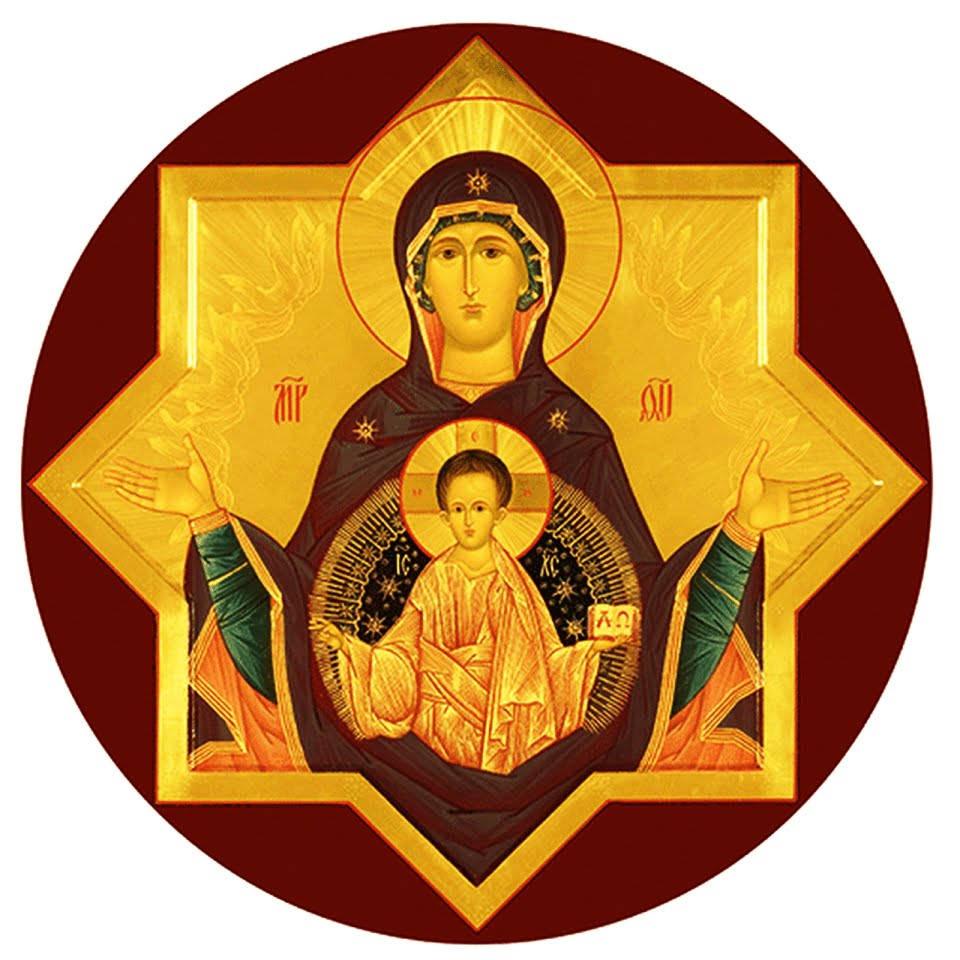
As the saving events of Holy Week and Easter draw closer, the Church gives us this marvellous little reprieve as we stop and enjoy Mothering Sunday. We often think of three mothers. Mother church, Mother Mary and our own Mothers. Today I want to reflect on Mother Mary and our own mothers. First Mother Mary. In Holy Week there is one encounter with her that we can be sure of. John in his gospel tells us in no uncertain terms where Mary was when her son died. She was there at the foot of the cross. This much we know for sure. There are two other little encounters that have grown up as traditions, but are not recorded for us in Holy Scripture. They do however ring true as entirely plausible if not probable. One is that Mother Mary met her son on the hot, dusty road to Calvary. There is no Biblical account for this. None whatsoever; but there is a certain something in us that says

“Yes, well I can see how that is a strong possibility”. While Jesus might have been embarrassed and wanted to spare his mum the hurt, a Mothers love is so potent that Mary of course would want to be there. Where else could she be? Where else would she be? We could say that perhaps it might have happened like this. That she pushed through the jostling belligerent crowd, wanting to see, wanting to touch, wanting to hold, to protect, wanting to … well just wanting to make it all stop. “I called to him through the shouting voices. He stopped; our eyes met. Mine  full of tears and confusion, his full of pain and anguish”. Then his eyes said to me “Courage, there is a purpose for this”. As he stumbled on I knew he was right. So I followed on and prayed silently.

The other encounter of which there is no account, but which makes perfect sense is a meeting between Mother Mary and her Risen son. Jesus appears to all sorts of people after his resurrection, but there is no mention of him meeting his mother. We could say that it happened like this. Perhaps Mary had gone out early in the morning to get water from the well. Or just as she was about to close her eyes in another attempt to try and snatch some elusive sleep. And all of a sudden there He is. Beautiful, radiant, triumphant, his eyes full of tender love. His gaze one of gentle reassurance. A minimum of words, but then no words are necessary.

And this is also true of our own mothers no matter where they are, or what their foibles, or what their gifts. There are some things that we know for sure about our mothers. That they gave birth to us, they fed us and they pray for us; consciously or subconsciously they will always want what is best for us. But there are also things which kind of make sense and which we can only guess at. How frustrated they were at our recalcitrant behaviour as we tried to figure out where the boundaries were. The stab of pain when we fell out of the tree or scraped our knee, or had our tonsils out and our romantic hearts broken. All these things we kind of  know, but we were never told.

And perhaps that's OK. Perhaps that is the way that it is supposed to be. Perhaps there are some things that we can discover and comprehend, only as we take our place in the next generation up. Perhaps there are some things about the mystery of motherhood that are so personal, so intimate that they do not belong on public record but are quietly treasured in those deep places of a Mothers heart that Our Lady knows oh so well.

So on this mothering Sunday we remember Mother Mary. We give thanks for her courage at the foot of the cross and we rejoice in the things that we do know. We ponder the things that must have been, and yet we are not told. And we look forward to that day when we rejoice with her and her son. When the mystery of Motherhood is not necessarily bandied about for all to see and broadcast, but rather is quietly revealed and understood, but most of all, enjoyed. Then we will know that we have been loved, that we are loved and that we will always be loved. Then we will comprehend in its full mind blowing joy, the mystery of motherhood… the truth we dimly know.

A Transaction with God

A reflection for Lent 3

A Transaction with God? 

Once every 6 weeks or so on a Saturday night, the Tattslotto division one prize pool is an eye wateringly  significant amount of money. Jeanine and I usually have a ticket at about this time and we have never won this insane amount of cash… ever. We do not make an investment hoping for a return. We buy a dream. Sadly sometimes, just sometimes, I catch myself being a bit transactional about this ticket. “Dear Jesus, if I be a good boy for the rest of  Lent would you please make the numbers come up? I promise that I will give some to the roof restoration fund, the Glenthompson mural restoration and the bishop's discretionary holiday to Vanuatu account.”

Maybe it’s not quite as blatant and crass as that, but there is a little misguided way of thinking that the surest way to get the corporate box seats in heaven is by something we do. The reality is that our name place at the wedding party is on the table because the host wants us to come. It has nothing to do with how often we are on the reading roster or the washing up.

And this is why we have the story of the cleansing of the temple and why Jesus is so cranky about the money changers who peddled the transactional way of theology.

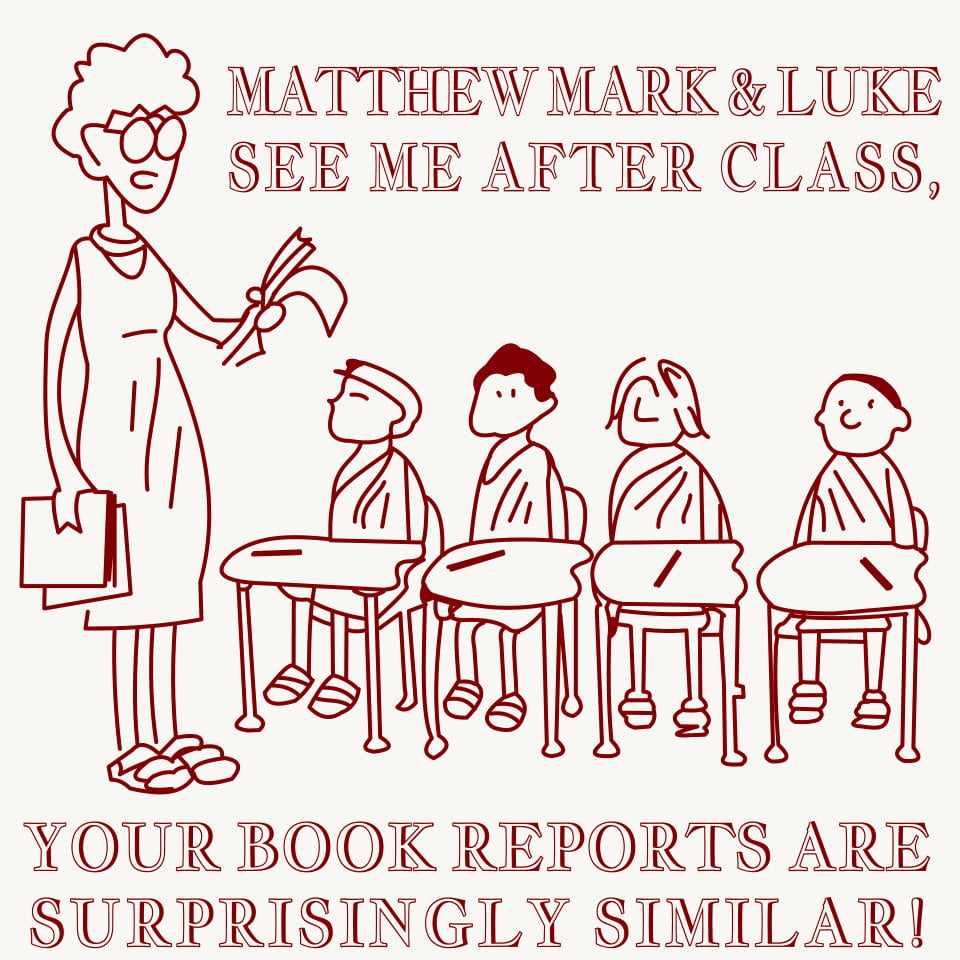
This story of the cleansing of the temple is a little bit special because it occurs in all 4 gospels.  But there are some differences. Matthew, Mark and Luke all put this story towards the end of Jesus ministry. Today we have John's account and he places it at the beginning of Jesus ministry. In chapter..2 In cleansing the temple The Master is out with the old and in with the new. The transactional is gone and a new sacrifice, the perfect sacrifice of the cross. Jesus himself is the price that is paid. Interestingly, it is only John who will  explain this teaching with the line about the destruction of the temple and its raising again.

The Parish Council of the temple don’t understand what Jesus is getting at; after all, the synagogue is Heritage listed, took all this time to build and not even the John Murnane could Warren Steele could put up a new temple in 3 days time.

There is another problem with this transactional way of thinking. It is heavily  weighted towards the more wealthy that come through the door. I mean what happens if you are a faithful, practicing Jew who really wants to offer a sacrifice to the Lord but it's been a miserable year in the cornfield and you can’t find enough denarii for the prescribed sacrifice. Does God love you any less?

From the other end of the argument, are those who did win Tattslotto loved more by God just because they had the right numbers on Saturday night? The next logical step of this disappointing argument is that the wealthy are obviously very good boys and girls because God has blessed them with an abundance of everything they need. Also those who are less fortunate with material possessions must have done something really naughty and God has quite rightly stripped them of everything, or at very the least withheld His favour. It’s a heinous, flawed and misguided way of thinking. It conveniently forgets that most of Our Lord's ministry was with the down and out, the halt, the maimed, the leper, the blind, the prostitute and the widow. The woman loitering with intent at Jacobs well who has 5 husbands and the 10 lepers are classic examples.

Thank goodness The Master cleanses the temple and turfs out the money changers… the gatekeepers if you like. Those who decide who gets in and who stays out. Sometimes I think we have come a long way and sometimes not. Many of you will know that my parents divorced and each sought remarriage in the Church. This was in the late 1970s early 1980’s. Each was turned away and told that remarriage was impossible. Fortunately we seem to think differently now. However, today's gospel is a salutary lesson for us gatekeepers, especially for clergy. What do we ask of those who come seeking God's blessing on their life? Surely it is not what they can do for us, but what we can do for them. It is not just about what we can do for God in the present and the future, but what God has already done for us in Jesus Christ and what the Master continues to do for us every single moment of our life.

Struggles

Fr David's Musing

The idea for these words came from someone else a gent called Brandon Stanton in his book ‘Humans’. He writes.

‘Everyone has a story because every person has a struggle. The obstacle that has been faced and hopefully overcome.  Struggles are crucial because they’re transformative’.

As I read those words they resounded clearly and loudly with me. They resonated and I knew them to be True. I have never met anyone who hasn’t had some kind of struggle and who hasn’t been changed by their struggle. Sometimes the struggle finds us. The unexpected accident, illness or death. Sometimes we inflict the struggle upon ourselves. We make woeful decisions. Our words and actions are poorly chosen or we leave things until it’s too late.

But our struggles are not to be shied away from. Nor must we pretend to ourselves and to others, that it is not happening and that somehow it doesn’t matter. It matters… a lot. Properly and bravely faced our struggles can be conquered. We may not think that we have ‘won’. We may feel depleted and deflated. Things may not have turned out the way we had hoped, but so long as we stand firm in the whirlwind of struggle, we can be transformed into someone even more beautiful, engaging and compassionate.

Perhaps the loveliest thing about struggle is that it connects us one with another. We relate to and understand each other. Relationships are welded in the heat of struggle. The more candid we can be, the more vividly that our pain is expressed and shared, the more compassion it elicits and the more powerful the bond that is forged. And if all that be true, how come when we seem to have multiples of struggles on so many levels… how come we seem more disengaged, disjointed and disconnected?

Hard Word to Say

Fr Daivd Muses

One of the pitfalls of priesthood is that we pray so frequently that we easily gloss over the words without paying any particular  mind to what they really mean. The Lord's prayer is a classic example. A minimum of twice a day everyday, almost guarantees that the words will become glib and prattle. It's good to get a wake up call every now and then.

It occurred to me the other day that the word ‘Our’ occurs twice in this famous prayer. Often when I have said ‘Give us our day our daily bread’ I have actually been praying ‘Please Lord, give me what I need to get through the day’. Now that is a particularly valid prayer to offer and offer it I do, on a frequent basis. But I have glossed over and reinterpreted the word ‘our’. It’s not about me and my needs. The word ‘our’ means more than just me, it’s a collective … it involves others.

The same holds true of the very first word in the Lord's prayer which also happens to be… ‘Our’.  So The Father is not my exclusive property. He never has been and never will be.  It's not ‘my Father …’ it’s ‘our Father’. To be reminded of this simple but very crucial thing will take me out of my self centred arena and lift my vision to a bigger whiteboard. It’s our community, our state, our nation and our planet. It’s called sharing.


And perhaps if I realised that it isn’t just about me and my bread, me and my Father, then the world might actually be a little less hungry, a little bit more nourished and a bit more ‘Fathered’. I must try and remember this next time to say the Lord’s prayer. It’s ‘Our’.

Truth makes love possible.

A reflection for Lent 2

I’ll call him Jimmy. Jimmy wasn’t exactly a Sunday by Sunday Anglican. Sometimes you’d look up and he’d be there at the back of the Church, but he would always be gone again by the end of the last hymn. He would phone or drop round just to say ‘Hello’. He flitted elusively but consistently around the edges of parish life. He was always present if there was food at a parish function. One day he popped around for a glass of red cordial and he wasn’t quite his usual self. I just got the sense that something was up. It transpired that after the 2nd glass of red cordial, 2 Tim tams and a home made scone with jam and cream, that he was waiting on some test results. Jimmy astutely described the sense of hiatus whilst waiting. He could not move on with his life in one direction or the other. He said “I don’t mind if the results are nasty and disappointing. I’ve had 9 and 70 years  of good life. I’ve raised 2 splendid children and had the privilege of watching them grow to adulthood. I’ve had a wife who has been far too patient with me and I have always had a roof over my head and food on the table. I’ve got a  will with the solicitor that I am very happy with and Beryl knows what hymns I want for my funeral. But I simply don’t know what the results are and this sense of being frozen in my tracks (and that is how he described it) a frozen no man's  land is just awful.” The waiting was debilitating for him. I offered to go with him when the news was delivered. He accepted the offer and it was a rare and undeserved privilege. I’ll never forget it.

The doctor welcomed Jimmy in. Calmly, with great compassion and with easy to understand words, the doctor told Jimmy that the news was not good. Jimmys response was  one of huge relief and he remarked in rather colourful words that must not be repeated here, that at least now he had a path to follow and there was still much to do. He could now get on with things. The truth set Jimmy free and the truth made love possible. I tell you that story because it resonates so very clearly with Jesus' prediction of his own death. The news Jesus delivers to his disciples is not pretty, it is not pleasant, it is not glamorous and sexy.

“Then Jesus began to teach them that the Son of Man must undergo great suffering, and be rejected by the elders, the chief priests, and the scribes, and be killed”. But it is the truth and the truth makes love possible. Further Jesus said all this quite openly. He doesn’t try to cover this prickly truth with chocolate. I imagine him saying these hard things not in anger, but with compassion, in a gentle way, looking his disciples in the eye. The truth was spoken in that same non-assuming tone that the doctor used when he told Jimmy his news. When Peter hears the truth he understandably throws a tanty. So unwittingly Peter becomes a hindrance to the truth and a barrier to love. And that’s why Jesus' words while seemingly harsh, are well spoken and right. ‘Get behind me, Satan! For you are setting your mind not on divine things but on human things.’ Truth makes love possible

Jesus then calls the crowds to himself and there is more truth telling that will make love possible.

“If any want to become my followers, there is a three point plan.

  1. They must deny themselves
  2. take up their cross
  3. follow me.

This friends is the cost of discipleship. It is high, but the truth makes sacrifice possible and just as surely as hurt always flows out of lies and hiddenness, so too love always flows out of truth, even when and sometimes especially when, the truth is painful to our ears and our hearts. This is what the love of God is like: it is free and therefore it is both all-powerful and completely vulnerable. All-powerful because it is always free to overcome, but vulnerable because it has no way of guaranteeing worldly success. So what Jesus says to Peter about his mind not on divine things but on human things is that the love of God belongs to a different order. It is not the order of power, manipulation and getting on top, which is the kind of power that can so easily pre-occupy us. But God's way is the way of truth which sets everyone free and floods the world with heavenly love.

For your prayers please remember those doctors  who this week must speak the confronting truth which makes love possible and commend them to the Master physician Himself.