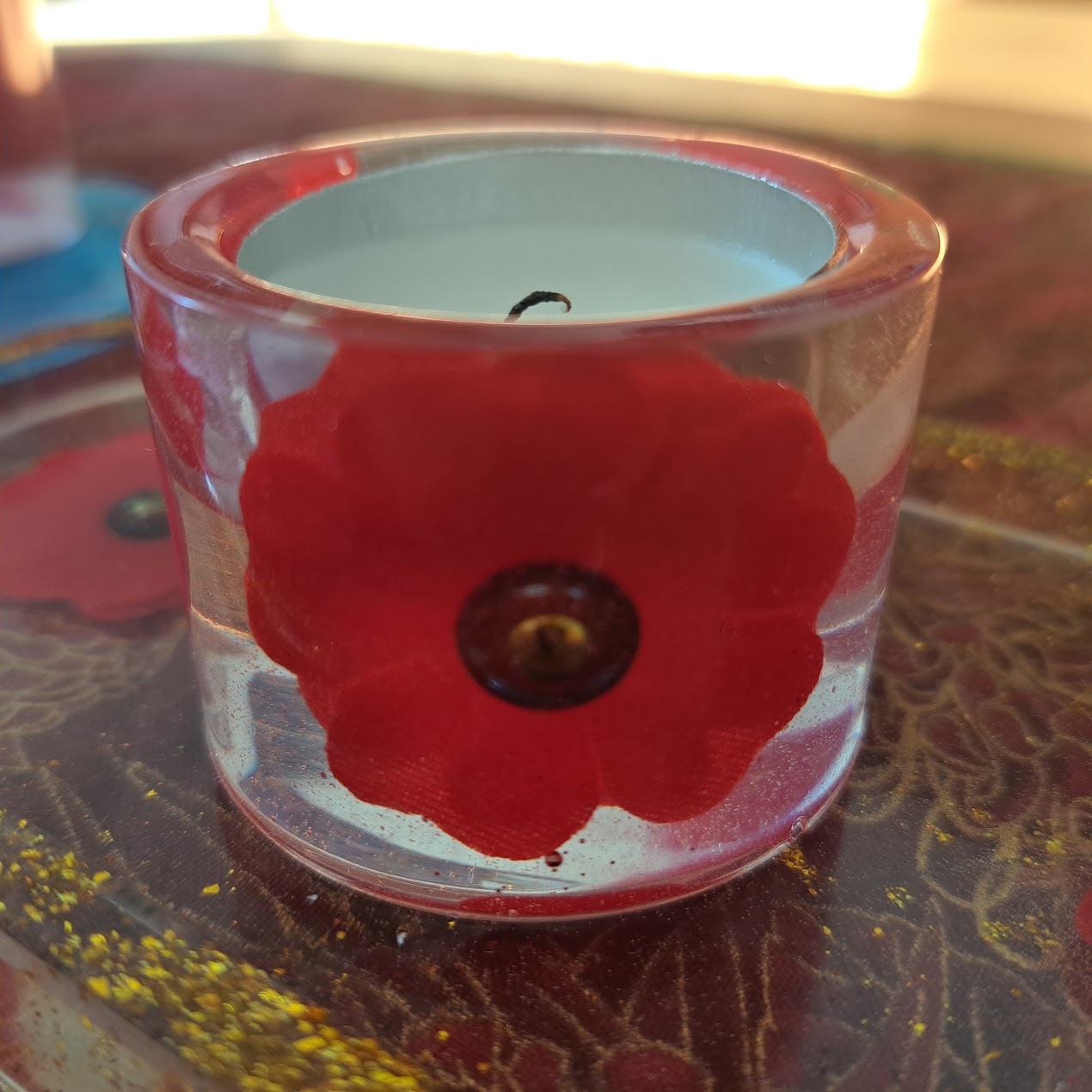
Would it be OK if I said … “ I’m sorry ”
On Anzac Day, I am always moved. I’m not sure if it's the bugler, the hundreds who turn out, or the minutes' silence, but all of it stirs me in ways that are profound and indescribable.
But war must always disappoint us. Retribution, retaliation and revenge must inevitably spiral downwards into the muddy trenches of death and tears. In part, the message of the Anzacs should be that the wholesale slaughter of a generation is not the way forward, and we should not forget this, lest we forget, if that makes sense.
Yes, it’s all very well for me to sit on my comfy chair in my study and type away, but it wasn’t me who was shot at and killed. It wasn’t my family that received a telegram. It wasn’t me that came home irreparably altered.
I can’t wipe clean the besmirched page of our history book written in blood, but I can try each and every day to walk gently upon the face of this marvellous planet. I can choose to speak gently or less often and listen more. And when I have got it wrong, say a simple ‘I’m sorry’.
My feeble, as yet unfulfilled hope, is that we would learn that while the cost of war is immeasurable, it costs nothing to say ‘I’m sorry’, to make amends and to walk forward. It is OK to say ‘I’m sorry’, in fact, it is essential; for until and unless those words are spoken, we are always stuck in the past. Those two words liberate us so that we may embrace a new day where the potential for peace is not just the dream of some old guy on his comfy chair typing in his study, but the living reality for each and every one of us.