Lent 1 22/2/26
Instruments of Resurrection - Bread and Wine.
During this Lent, we will be offering some homilies under the theme of ‘Instruments of resurrection’. We will discover that the most unlikely, commonplace, mundane things are instruments of resurrection. How clever that the master would use everyday, simple things to communicate and help us enter into the most profound mysteries.
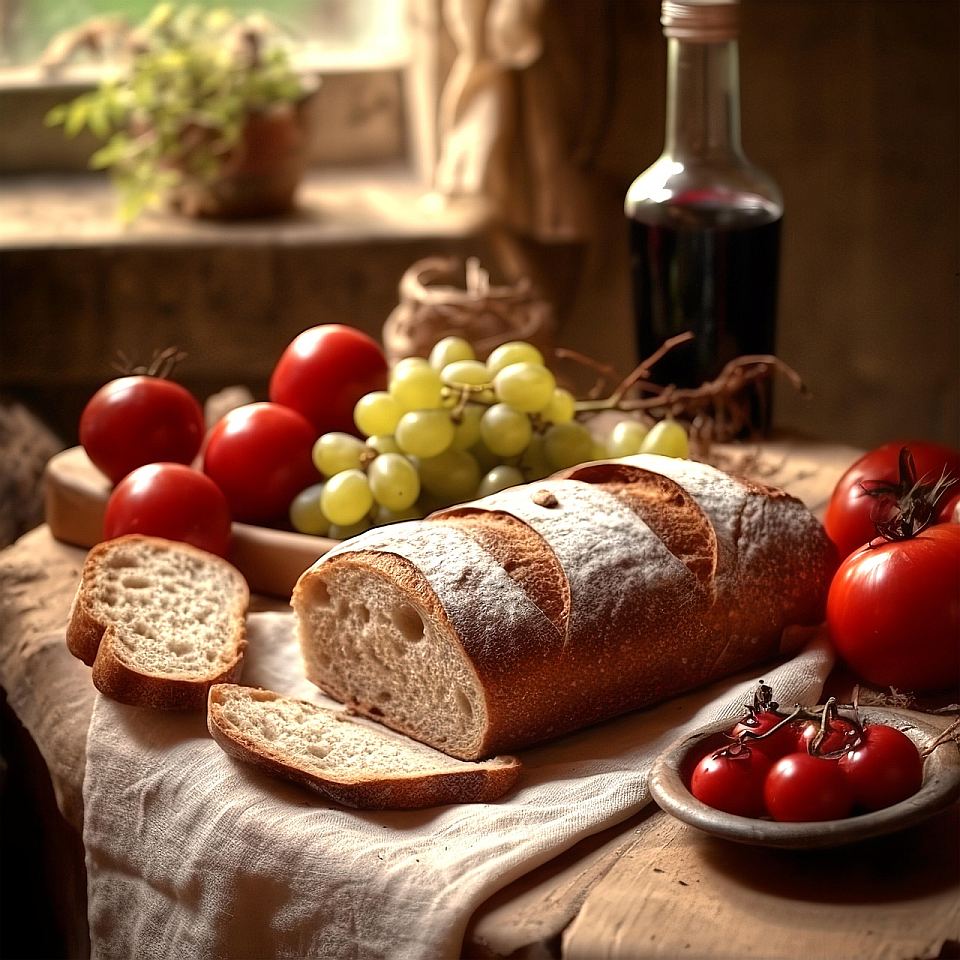
Today’s homily is about bread and wine, which are very much instruments of resurrection.
Let me explain.
John has Jesus teaching his disciples about the strong connection between Eucharist and Resurrection.
He who eats my flesh and drinks my blood has eternal life, and I will raise him up at the last day. (John 6:53–56)
Later, on Holy Thursday night, Jesus will do a show and tell. He takes bread from the table, and then takes the cup, saying, “This is my body... This is the cup of my blood,” and when you gather together, this is what I want you to do. “Do this in memory of me.” Now the word Jesus uses for “memory” is a flash church word ‘anamnesis’. It means so much more than simply remembering I have to put out the bins on Wednesday. When The Master says ‘anamnesis’ at the table, He effectively brings past events into the present. In other words, you’re not repeating the action of the past; you’re entering into the event of the past. So today at the Eucharist when the priest says ‘Do this to remember’ (anamnesis) we are not just looking back to a past event 2000 years ago in a shonky upper room, we are actually entering into the events of the upper room and we are there with him and his motley crew at the table. It’s why we say or sing ‘with angels and archangels.’ This phrase, ‘With angels and archangels,’ is not something that is said lightly or to make us feel gooey inside; it’s telling it how it is. It expresses the reality that we are surrounded by a great cloud of witnesses. So too we are there at the foot of the cross, and we are there with angels and Mary Magdalene at the empty tomb on Easter Day.
Further, when Jesus tells the Apostles to “do this in memory of me,” on Holy Thursday, he is also foreshadowing what was going to happen the next day.
You’re thinking I’m nuts now as I say these words in the upper room tonight, chaps, ... but just wait and see what happens tomorrow afternoon. You’ll understand that I knew exactly what was going to happen to me and that I wasn’t afraid to die out of love for you.
There’s something else that’s going on here.
When we eat a steak sandwich, muesli or an apple, that food becomes part of us. We assimilate it into our bodies. But at the Eucharist, We become part of his body.
On the altar, through this mysterious exchange of grace, bread and wine become instruments of resurrection.
Something I learnt this year. Most of the resurrection stories happen within the context of a meal. Why is that? Not by accident, surely. The Risen Christ could appear to anyone and within any context he liked. When you’re God, you have lots of choices. But the Risen one chooses the context of congenial meals, food and refreshing beverages to appear.
These appearances—on the road to Emmaus, in the Upper Room, on the beach—all have echoes of what we do here at the altar.
Emmaus with its glimpse of Him who walks with us and disappears the moment when we realise He’s with us. The upper room ‘Have you anything here to eat?’ On the lake of Galilee ‘Bring some of the fish you have caught’. Let’s eat together.
He who eats my flesh and drinks my blood (bread and wine) has eternal life, and I will raise him up at the last day. Bread and wine are instruments of his resurrection. They are Instruments of our resurrection.
Lord Jesus Christ, by the three days you lay in the tomb, you sanctified the grave to be a bed of hope of resurrection. Grant that when we lie in our own grave, we may sleep in peace until that glorious day when you awaken us to your glory. Then we shall see you face to face and in your light we shall see light and know your splendour, for you live forever and ever Amen.