Holy Unction
Today's text…“They drove out many demons and anointed many sick people with oil and healed them”. Here we glimpse the beginning of the sacrament of healing or Holy unction which we still use in the Church today. It is a lovely sacrament because it is given to us by God and it is life affirming. Life on this side of the grave, and on the other. Twice I have had the privilege of using this sacrament for my own personal well being and it was a sublime experience filling me with confidence and joy. So you don’t have to be in palliative care to enjoy this sacrament. Folk have used it for everything from a broken leg, to an ultrasound, to cataract surgery, to depression. It is not something to be feared and we probably don’t talk about it enough. I hope this little homily will help.
We know that Jesus loved the sick and often during his life healed them. Sickness is not a punishment for personal sins. It is a normal part of our everyday life. And I am really sorry to have to say that our bodies are hard wired to disappoint us. Christ Himself was sinless and yet he bore all the sufferings of his passion and understood human sorrow. Anointing of the sick is a Sacrament of Faith - faith in the Master physician and faith for the one who receives it. It might help if I read you the important prayer of the sacrament.
'Through this holy anointing may the Lord in his love and mercy help you with the Grace of the Holy Spirit. Amen.'
'May the Lord, who frees you from sin, save you and raise you up. Amen.'
So we express the care of Christ and the Church for sick people. Our Lord continues his compassionate work through the Sacrament with his sympathy and healing, just as he did when he was on earth. Christ came to eliminate suffering. He came to give fullness of life, both natural and supernatural. It is true that his main purpose was to give supernatural life, but he intends us to enjoy the fullness of life on this side of the grave as well. When he was on earth he cured the sick and sent his Apostles out to do the same. When we come to enjoy life on the other side of the grave, there will be no more sickness or death. 'Death shall be no more, neither shall there be mourning nor crying nor pain any more, for the former things have passed away' (Rev. 21, 4).
The sacrament helps those who are seriously ill to bear their sickness and gives a new injection of his life so that they may lift up mind and heart to God in spite of pain and weakness. The fifth chapter of St James' letter also describes the sacrament: 'Is any among you sick? Let him call for the elders of the Church, and let them pray over him, anointing him with oil in the name of the Lord; and the prayer of faith will save the sick man, and the Lord will raise him up; and if he has committed sins, he will be forgiven' (James 5, 14-15).It is administered by a priest who, in the name of Christ, prays over the sick person and anoints with oil the forehead.
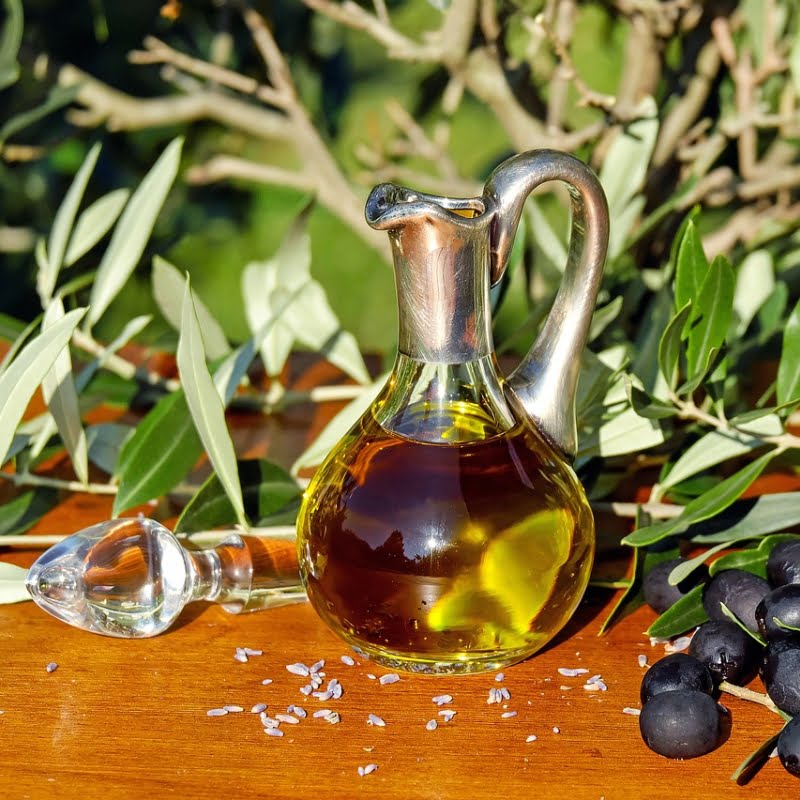
As in the other sacraments, the sign used indicates the effects. Oil gives strength. The athlete anoints the limbs with it to strengthen them for the contest. In this sacrament, the soul is anointed by the Spirit to enable it to face up bravely to illness.. Oil also has a healing effect. The sacrament is intended primarily to soothe and heal the spirit, but frequently there are physical effects as well. Its primary purpose is not to restore physical health but to give a new share of supernatural life. On the Monday before Easter at a special mass in our diocesan cathedral, called the Mass of the Holy Oils, bishop Gary consecrates the oil to be used in the anointing of the sick, and the prayer he uses on that occasion indicates the purpose of the sacrament: 'O God, please send down from heaven the Holy Spirit into this rich oil, which you so kindly produce from the greenwood for the restoring of mind and body. Through thy blessing, may all who are anointed with this heavenly medicine be protected in mind and body. May all pain of mind and body, all weakness and sickness, be removed.' Do not put off using this sacrament. It is best done when the patient is conscious, able to cooperate with the priest as he prays and administers the sacrament, and with Christ who gives strength through it.
Jesus said, 'I came that they may have life and have it abundantly' (John 10, 10). He longs to give it to all and extends to all his tender invitation:
I commend this sacrament for your use and for your help.